Data-Supported Decision Making
Megan Pacelli
American College of Education
Data-Supported Decision Making
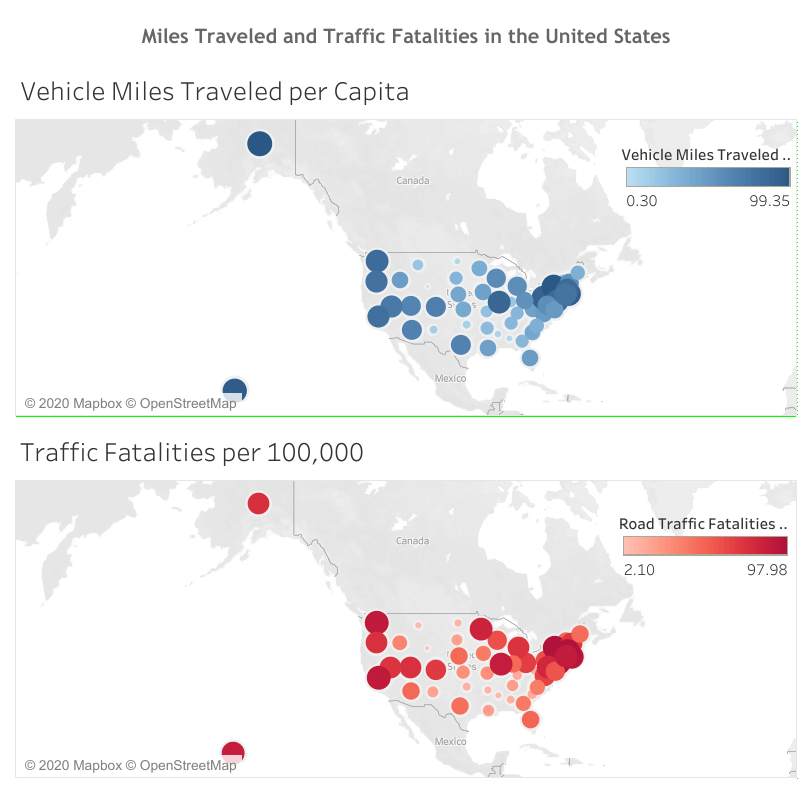
For purposes of discussion of data analytics and ramifications of analysis, I have collected data from data.gov related to traffic fatalities in the United States. In order to analyze this data, I can follow Edler and Paul’s (2007) eight structures of thought: determine the purpose for thinking, determine my point of view, recognize my assumptions, consider the implications and consequences of my line of thought, rely on data, facts, and educated experiences to make inferences and judgments, and based on concepts and theories answer a question or solve a problem (Harrington, 2017).
If this data were used to solve a problem, my purpose for thinking would be to solve a problem. In this case, the problem could be: there are too many traffic fatalities in the United States.
All forms of analysis “require thoughtful application and all thought presupposes the elements of thought” (Edler & Paul, 2007, p. 52). It is important to have a purpose behind the analysis. My purpose with this set of data would be to find a solution. In the case of traffic fatalities, the solution would be to lessen potential traffic fatalities. This could involve a local effort but could also be more of a nation-wide effort as well.
A point of view that I hold is that there should be something done to lessen traffic accidents in states in which contain the most traffic fatalities.
My assumption is that there are more traffic fatalities in bigger cities because there is more traffic in bigger cities. This would mean that there are more traffic fatalities in states that have bigger cities, such as Chicago, New York, and Los Angeles. Another assumption I have is that people drive recklessly.
There are possible implications and consequences of my line of thought. One of these is the nationwide effort it could potentially require for a difference to be made in all states or the states with the most fatalities. Additionally, people may not agree with my thinking; people may not agree that there is a problem that needs a solution or on a process to find a solution.
Based on the data, the states that show the most miles traveled are also states that have a high rate of traffic fatalities. The states with the most traffic fatalities and miles traveled are New York, New Jersey, California, Washington, Rhode Island, Massachusetts, and Illinois. Most of these states have a higher population, as well as a larger city within the state.
This data can guide me to believe that because the population is higher in these states, there are more miles traveled by vehicle which causes more traffic fatalities. I believe these pieces of data are directly related, which can lead to solutions to the problem.
I believe one solution to the problem would be to increase public transportation in areas that it is possible to do so. This would lessen the miles traveled, which could directly affect the traffic fatalities. Another solution would be to target each state or big city within the states specifically. More specific data could be gathered and analyzed to determine solutions for particular states or cities.
References
Elder, L. & Paul, R. (2007). The thinker’s guide to analytical thinking. The Foundation of Critical Thinking, 2-57. Retrieved from http://www.criticalthinking.org/files/SAM_Analytic_Think2007b.pdf
Grafton, A. G. J. (2015). Habits of Mind: Why College Students Who Do Serious Historical Research Become Independent, Analytical Thinkers. The American Scholar, 1, 31.
Harrington, T. (2015). Module 2: Analytical Thinking and Collaboration. Part 2: The Analytical Mind. [Class Presentation]. Retrieved from https://a19-101381546.cluster19.canvas-user-content.com/courses/1633228/files/101381546/course%20files/course-content/module-content/02-module/m2-04-video-02.html
 Education